Buy a Home with Zero Down Program: Your path to Homeownership Without the Upfront Cost
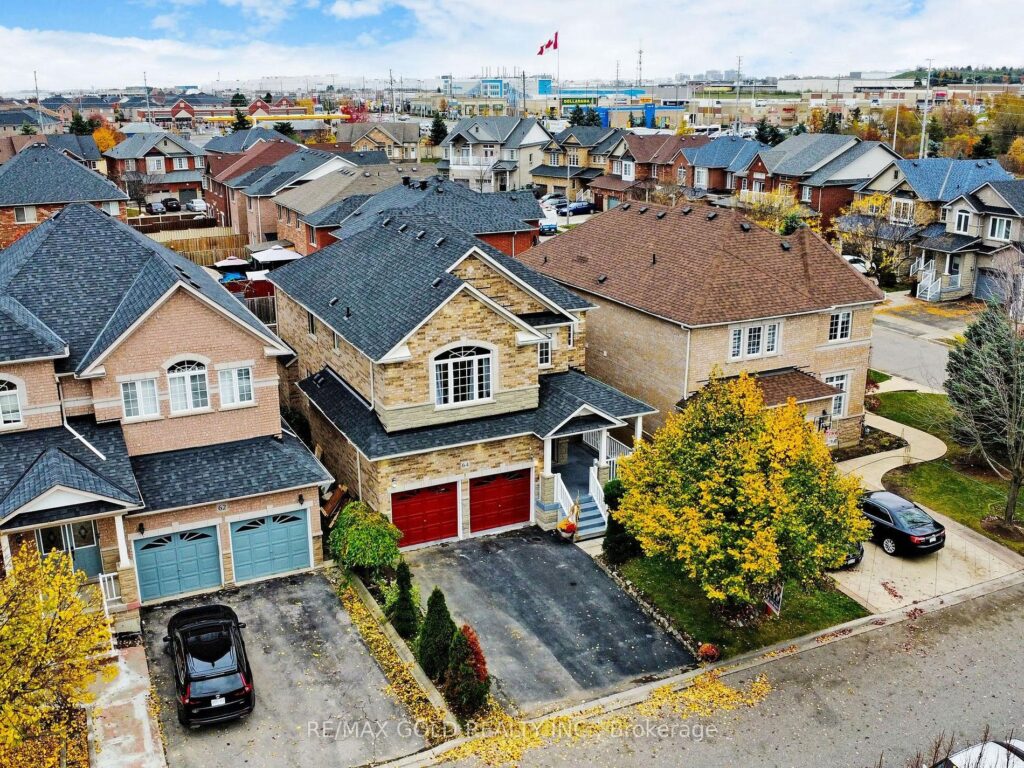
The dream of owning a home has always been a major milestone in life, yet for many, the biggest roadblock is the upfront cost. A traditional home purchase often requires a down payment, which can range from five to twenty percent of the property’s value. For someone looking at a modestly priced home, this can translate into tens of thousands of dollars—an amount that’s often difficult to save, especially while dealing with rent, debt, or day-to-day expenses. That’s where zero down payment programs come into play, offering a viable solution for those who are financially stable but lack the savings to make a significant upfront payment.
The concept of buying a home with a zero down program may sound too good to be true, but it’s not a scam or a financial trap if approached correctly. These programs are designed to help responsible buyers bridge the gap between renting and homeownership. They’re particularly appealing to first-time buyers, veterans, rural residents, or those who qualify based on income or occupation. While these options are not available to everyone, understanding how they work can open up opportunities that you may not have previously considered.
One of the most well-known paths to zero down homeownership is through government-backed loan programs. These loans are insured by federal agencies and offered through approved lenders. They are designed to encourage homeownership among individuals who might not otherwise qualify under conventional standards. The most popular among them are VA loans and USDA loans.
VA loans are available to eligible veterans, active-duty service members, and certain members of the National Guard and Reserves. These loans offer several advantages, including no down payment, no private mortgage insurance, and competitive interest rates. This program recognizes the service of military personnel and makes it easier for them to achieve the stability of homeownership without being burdened by upfront financial requirements.
USDA loans are another attractive option, but they are geographically restricted. These loans are aimed at rural and some suburban homebuyers and are offered to those who meet specific income limits. The property must be located in a USDA-eligible area, and the buyer must demonstrate that they are unable to secure reasonable housing without assistance. The zero down benefit, combined with lower interest rates and flexible credit requirements, makes this program particularly helpful for families in small towns or rural communities.
For those who do not qualify for government-backed loans, other options still exist. Some private lenders and credit unions offer zero down mortgage programs to well-qualified buyers. These programs are usually geared toward individuals with excellent credit, solid employment history, and the ability to meet monthly mortgage obligations even without a down payment. While these offers are less common than federal programs, they still represent a valuable path to homeownership for high-quality borrowers who just haven’t had the opportunity to save up a down payment.
Another strategy involves using down payment assistance programs. These do not always offer a literal zero down payment, but they provide grants or forgivable loans that cover part or all of the initial cost. These programs are often sponsored by state and local housing authorities and may be based on your income, job type, or the location of the home you want to buy First time home buyer GTA. For example, teachers, healthcare workers, and emergency responders may find special programs that offer assistance tailored to their profession.
Some developers and homebuilders also offer promotions that include down payment incentives, especially in new housing communities where they are eager to attract buyers. These deals sometimes include a full or partial down payment if you agree to use the builder’s preferred lender or close within a certain time frame. While these offers may sound commercial, they can be a legitimate way to buy a home with little or no upfront cost if all terms are favorable.
The advantages of buying a home with a zero down program are obvious. It allows buyers to enter the market sooner, avoid years of saving, and begin building equity instead of paying rent. It can also protect savings that would otherwise be depleted by a large initial investment. This is particularly valuable in markets where prices are rising quickly and delaying a purchase could result in being priced out entirely.
However, there are also some important considerations to keep in mind. Zero down doesn’t mean zero cost. You’ll still need to cover closing costs, property taxes, homeowners insurance, and possibly home repairs or moving expenses. Some lenders may allow you to roll these into the loan, but it’s important to understand the full financial picture before signing any agreement.
Another consideration is that without a down payment, you’ll be borrowing more money, which means higher monthly payments and more interest paid over time. This can increase the long-term cost of your home unless you plan to refinance or pay off early. Some programs may also come with stricter credit score requirements, income caps, or conditions that limit your options when it comes time to sell or refinance.
It’s also crucial to work with a lender or real estate agent who understands the ins and outs of these programs. Not every mortgage broker is familiar with zero down options, and not every real estate agent knows how to navigate the specifics of these deals. Choose professionals who have experience with government-backed loans or down payment assistance programs, and who can guide you through the process with honesty and expertise.
Despite these challenges, zero down programs remain one of the most accessible ways to become a homeowner for people who have reliable income but minimal savings. They represent an opportunity to invest in your future and start building equity instead of continuing to pay someone else’s mortgage. These programs, when used responsibly, can be the stepping stone to long-term financial security.
In conclusion, buying a home with a zero down program is more than just a clever financing strategy—it’s a powerful tool that makes homeownership achievable for individuals and families across a range of incomes and backgrounds. With the right information, professional guidance, and financial discipline, you can find a program that fits your situation and start living the dream of owning your own home, even without a large down payment. The key is doing your research, understanding the terms, and preparing yourself for the responsibilities that come with homeownership.