The importance of Dental Health in Everyday life
Dental health plays a critical role in overall well-being, yet it is often overlooked until problems arise. Our teeth, gums, and oral structures do more than just help us chew food; they influence speech, self-confidence, and even systemic health. Neglecting oral 牙痛急症 can lead not only to cavities and gum disease but also to broader health complications. Understanding the fundamentals of dental care, preventive strategies, and the importance of professional treatment can help individuals maintain a healthy smile throughout their lives.
Good dental hygiene begins with daily practices at home. Brushing twice a day with fluoride toothpaste, flossing to remove plaque between teeth, and rinsing with an antibacterial mouthwash are essential steps. These habits help prevent the buildup of plaque and tartar, which are major causes of cavities and gum disease. Children should be taught these habits early, as baby teeth lay the foundation for the proper alignment of permanent teeth. For adults, maintaining these routines reduces the risk of oral infections and tooth decay, both of which can become costly and painful if ignored.
Visiting the dentist regularly is another cornerstone of good dental health. Dentists not only clean teeth more thoroughly than brushing alone but also detect early signs of issues such as cavities, gum disease, or oral cancer. Most professionals recommend biannual check-ups, though individuals with certain conditions may require more frequent visits. Preventive dentistry, which includes treatments like fluoride applications and dental sealants, provides an additional layer of protection. Early detection and treatment save time, money, and discomfort while preserving the natural teeth as long as possible.
The importance of dental care extends far beyond the mouth. Numerous studies have shown a strong connection between oral health and systemic diseases. Gum disease, for example, has been linked to heart disease, diabetes, and even respiratory infections. Poor oral hygiene can increase inflammation in the body, weaken the immune system, and allow harmful bacteria to spread into the bloodstream. Pregnant women with untreated gum disease are also at greater risk of complications, including premature birth. Thus, prioritizing oral health supports overall physical health in ways that many people do not immediately realize.
Cosmetic dentistry also plays a significant role in modern dental care. A bright, healthy smile can improve self-esteem, enhance social interactions, and even impact professional opportunities. Treatments such as teeth whitening, veneers, and orthodontics not only improve appearance but also correct functional issues. For instance, straightening misaligned teeth can reduce the risk of jaw pain, uneven wear, and difficulty in cleaning between teeth. While cosmetic treatments are often considered elective, they frequently contribute to long-term oral health as well.
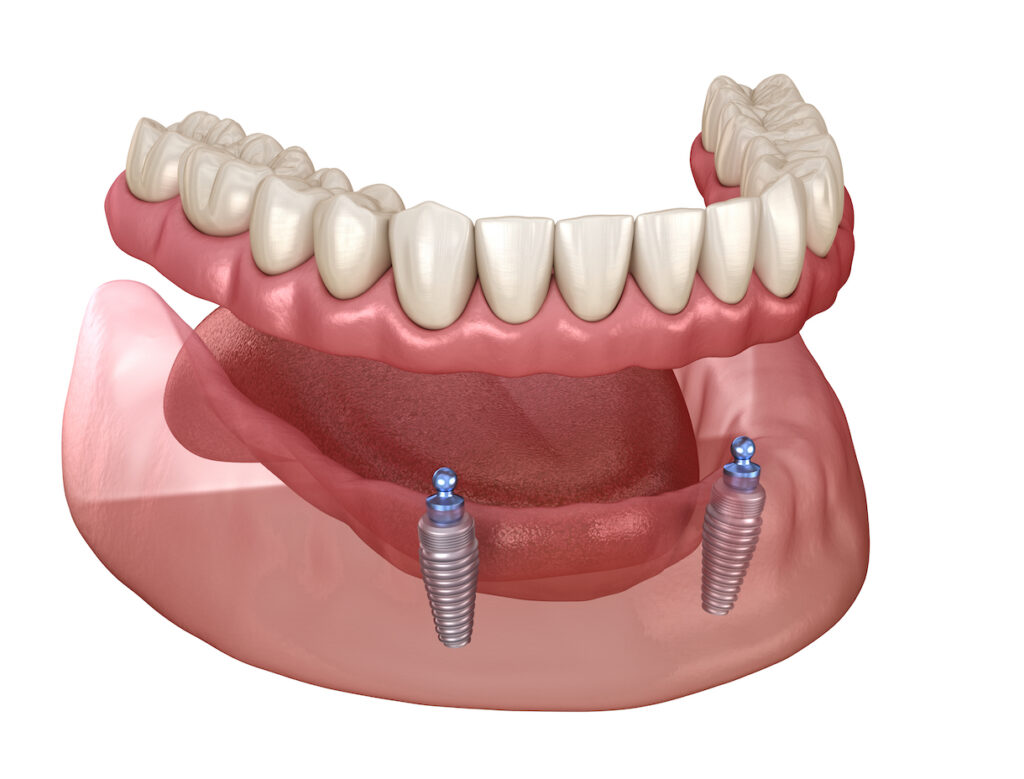
In addition to preventive and cosmetic care, restorative dentistry is essential when problems arise. Fillings, crowns, bridges, and implants restore function and prevent further damage. Modern advancements in materials and techniques ensure that these treatments are durable, comfortable, and natural-looking. For individuals who have lost teeth, dental implants provide a permanent solution that supports both appearance and oral function. Restorative procedures not only alleviate pain but also prevent additional complications, such as bone loss in the jaw or shifting of neighboring teeth.
Maintaining dental health also involves lifestyle choices. Diet plays a major role in the condition of teeth and gums. Sugary snacks, sodas, and acidic foods erode enamel and increase the risk of cavities, while a balanced diet rich in calcium, vitamin D, and other nutrients strengthens teeth and bones. Smoking and excessive alcohol consumption contribute to gum disease, oral cancer, and tooth loss, making them harmful habits to avoid. Staying hydrated with water helps wash away food particles and neutralize acids, protecting the mouth naturally.
For many people, dental care can seem intimidating due to fear or financial concerns. Dental anxiety is a common issue, but advances in technology and sedation techniques have made procedures more comfortable and less stressful. Financially, preventive care is always less costly than treatment for advanced issues, making regular visits a wise investment. Many communities and organizations also offer affordable or free dental clinics to ensure that basic care is accessible to all. Taking proactive steps toward oral health is both a personal and public responsibility.
In conclusion, dental health is not simply about maintaining a bright smile—it is a vital part of overall health and quality of life. Daily oral hygiene, regular check-ups, healthy lifestyle choices, and timely professional treatments all contribute to long-term well-being. By prioritizing dental care, individuals can avoid painful and costly problems, reduce their risk of systemic illnesses, and enjoy greater confidence in their personal and professional lives. A healthy smile is more than cosmetic—it is a reflection of a healthy body and a proactive approach to life.